





Electrification is accelerating. Data centres, electric vehicles, industrial processes and major infrastructure are all increasing demand for electricity. But the infrastructure needed to deliver that power is not always keeping pace.
The International Energy Agency’s latest analysis highlights the scale of the challenge. More than 2,500 GW of generation, storage and large-load projects are currently sitting in grid connection queues globally.
The challenge is particularly visible in Great Britain. NESO says the previous connections queue had grown to more than 700 GW, around four times the capacity required by 2030, with some shovel-ready projects facing waits of up to 10 years.
The challenge is increasingly not only generating enough clean electricity, but getting enough power to the right place, at the right time.
For businesses facing grid constraints, grid connection delays or insufficient power capacity, hydrogen power is already providing another route to reliable, scalable electricity.
Electricity demand is growing faster than grid infrastructure
Electricity demand is increasing as transport and industry electrify, while data centres and other large loads add significant new requirements in specific locations.
The IEA describes electricity as becoming the backbone of the energy system. But new electricity demand is often developing faster than the infrastructure required to serve it.
Connections reform is addressing the backlog, but constraints remain. In 2026, Ofgem confirmed that a number of projects with protected 2026 and 2027 connection dates would no longer receive their original dates.
A business may therefore be ready to open a data centre, electrify industrial equipment, deploy an electric fleet or expand a facility before the electricity network can provide the additional capacity required.
Expanding the grid remains essential. In the meantime, businesses need power to continue operating, investing and electrifying. Hydrogen is already filling part of that gap.
Grid expansion creates another major power requirement
The scale of the infrastructure challenge is considerable. The IEA estimates that meeting electricity demand by 2035 requires global grid capacity to increase by at least 30%, equivalent to adding or replacing around 25 million kilometres of electricity lines.
Building that infrastructure takes time. Separate IEA analysis found that procurement can take two to three years for transmission cables and up to four years for large power transformers.
That creates two immediate requirements.
Businesses need additional power while they wait for grid capacity. At the same time, the enormous construction programme required to expand the grid needs temporary power itself. GeoPura is supporting both.
Hydrogen power is supplementing constrained grid connections
A grid constraint does not necessarily mean a site has no electricity. Often, the existing connection simply cannot provide enough power for growing requirements.
Hydrogen provides additional, dispatchable electricity alongside that connection
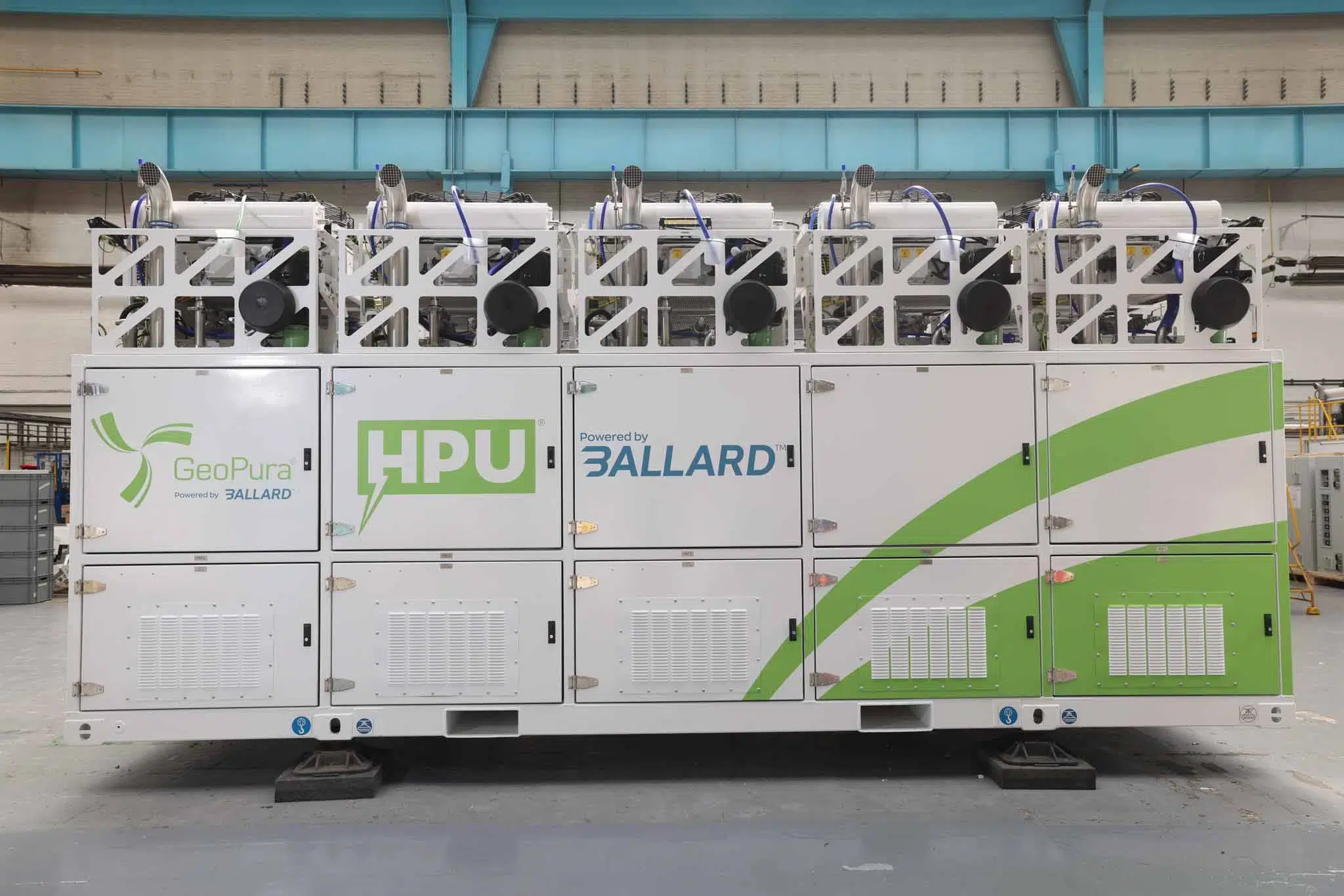
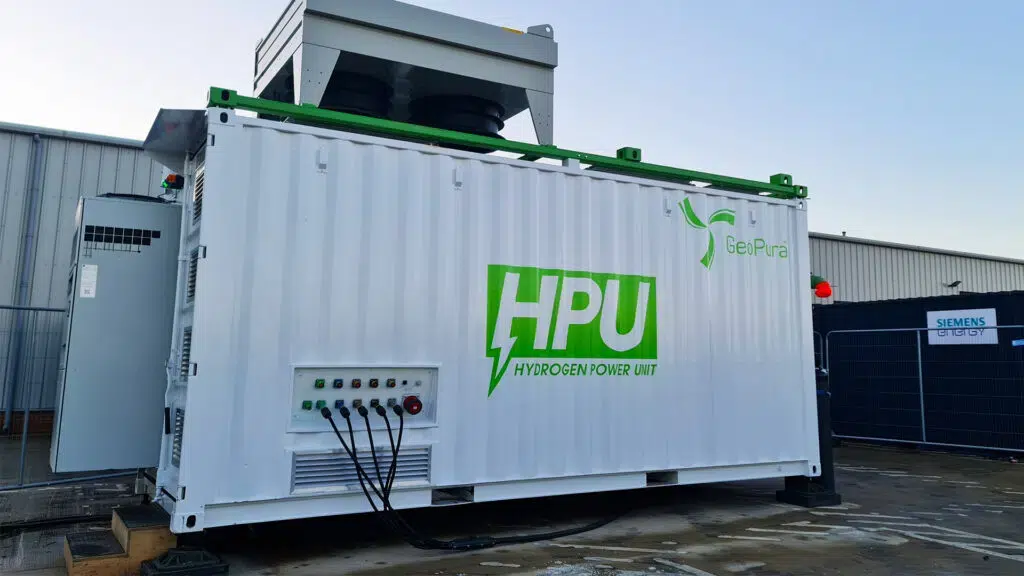
GeoPura’s Hydrogen Power Units (HPUs) use Ballard hydrogen fuel cell technology to convert hydrogen into electricity at the point of use.
Our HPU provides flexible power for temporary, off-grid and grid-support applications, while the next-generation HPU2 delivers 500 kW and scales into multi-megawatt applications.
HPUs work independently or alongside existing grid connections, batteries and renewable generation.
They provide additional capacity during periods of high demand, support customers waiting for grid upgrades and deliver power where permanent electricity infrastructure is unavailable or insufficient.
Hydrogen does not replace the grid. It strengthens the energy mix by adding clean, dispatchable power exactly where it is needed.
Providing additional power for data centres
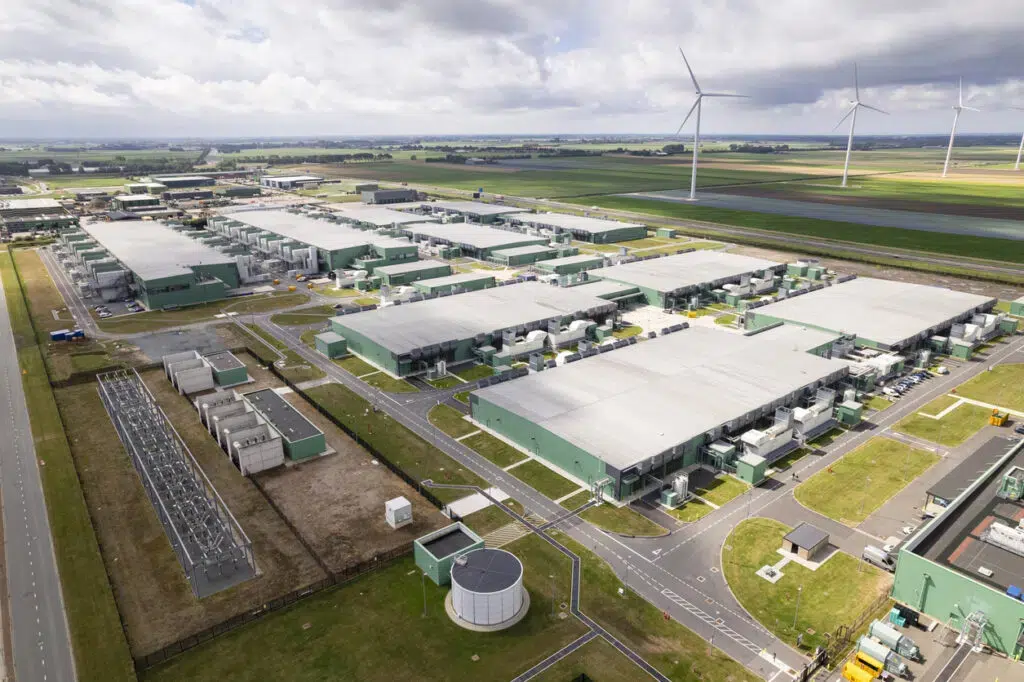
Data centres demonstrate the challenge particularly clearly. AI, cloud computing and digital services are creating large, concentrated electricity loads in locations where grid capacity is often constrained.
IEA analysis reports that new transmission lines can take four to eight years to build in advanced economies and highlights grid connection queues as a constraint for data centres and other large electricity users.
Power availability is therefore increasingly influencing where and how quickly new data centre capacity is delivered.
GeoPura’s hydrogen power solutions for data centres provide supplementary and resilient power alongside grid connections and battery energy storage.
Hydrogen fuel cells provide dispatchable generation, while batteries manage rapid changes in demand. Multiple GeoPura systems operate together to support multi-megawatt requirements.
This brings together Ballard’s fuel cell technology with GeoPura’s hydrogen production, logistics and operational capabilities to deliver additional clean power where grid capacity falls short of site requirements.
Powering EV charging where the grid is constrained
Transport electrification creates the same challenge. Cars, vans, buses and increasingly construction and heavy-duty equipment are moving from liquid fuels to electricity.
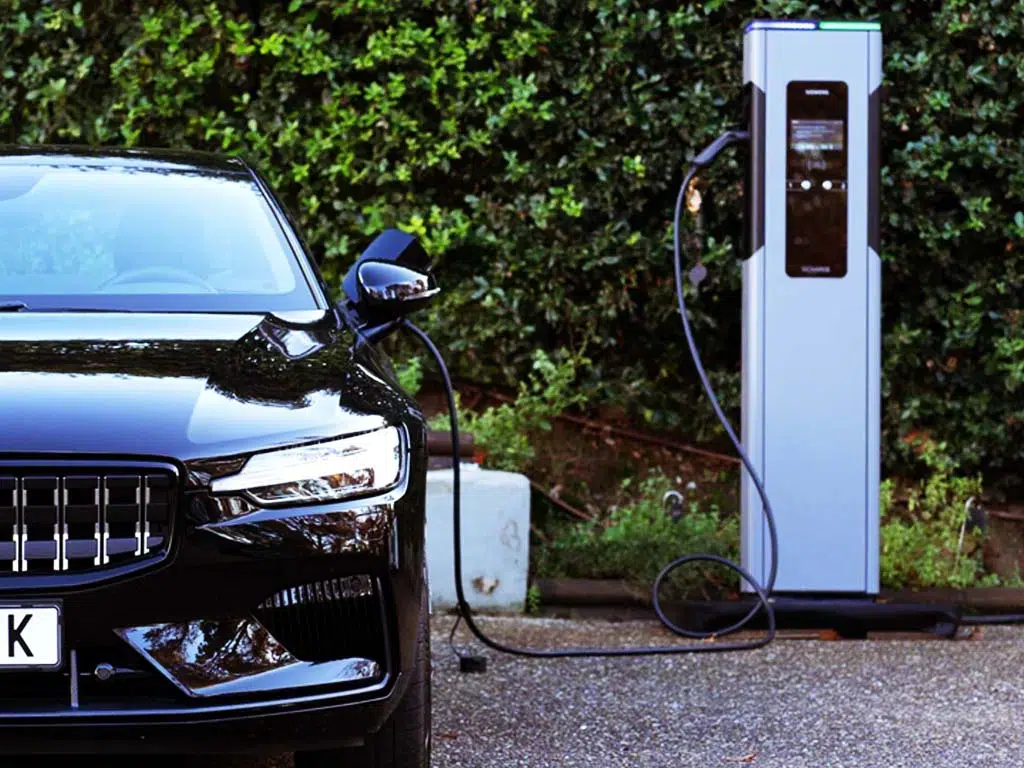
Installing chargers is only part of the transition. Those chargers need enough power to operate. High-powered charging hubs, fleet depots and construction sites often create new peak loads that exceed the capacity of their existing grid connection.
GeoPura’s hydrogen power solutions for EV charging provide additional electricity where grid capacity is constrained or unavailable.
HPUs are already recharging electric vehicles, battery systems, and electric construction equipment.
On major infrastructure projects, hydrogen-generated electricity is supporting the move away from diesel-powered equipment by providing clean electricity to recharge electric plant on site.
This means electrification does not have to stop at the point where the grid connection reaches its limit.
Replacing diesel for temporary power
The infrastructure required to electrify the economy also needs huge amounts of temporary power.
Construction projects need electricity before permanent connections are completed. New facilities need commissioning power. Grid upgrades require electricity during construction.
Electrified construction equipment and batteries need recharging throughout projects.
Historically, diesel generators have met much of this demand. GeoPura is replacing them with hydrogen power.
Our HPUs generate electricity without CO2, NOx, SOx, or particulate emissions at the point of use, with water and heat as the by-products of the fuel cell process.
GeoPura also manages the fuel required to keep these systems operating. Our green and low-carbon hydrogen supply capability brings together hydrogen production, logistics, storage and delivery with the equipment that turns that hydrogen into electricity.
Customers therefore receive power and fuel as one integrated service.
Using clean power to build the grid
The IEA’s estimate that around 25 million kilometres of electricity lines need to be added or replaced by 2035 creates another major opportunity to reduce reliance on diesel.
Transmission lines, substations, converter stations and new connections all need power during construction. GeoPura is already supplying it.
HPUs are supporting major electricity infrastructure projects, including work with National Grid and Siemens Energy. They provide electricity for construction operations, site infrastructure, equipment and electrified plant while these projects build the permanent infrastructure required for wider electrification.
We are using clean power to build clean power infrastructure.
This matters as investment in electricity networks accelerates. Recent analysis by The Guardian highlights the scale of the programme in Britain alone: more than £150 billion of transmission investment is expected, with five times more infrastructure planned by 2030 than was built over the previous three decades and more than 4,000 miles of new power lines required by 2041.
That represents an enormous construction programme. The power used to build new transmission lines, substations, converter stations and other grid infrastructure forms part of its environmental impact.
Replacing diesel with hydrogen power from the start reduces emissions and improves local air quality while helping to build a cleaner, more resilient electricity network.
Hydrogen, batteries and the grid are already working together
Addressing grid constraints does not depend on a single technology. Electricity networks, renewable generation, batteries and hydrogen perform different roles within an increasingly flexible energy system.
The grid provides electricity wherever sufficient capacity exists. Batteries provide rapid response, peak management and short-duration flexibility. Renewable generation provides clean electricity from sources including wind and solar.
Hydrogen provides transportable, storable and dispatchable energy.
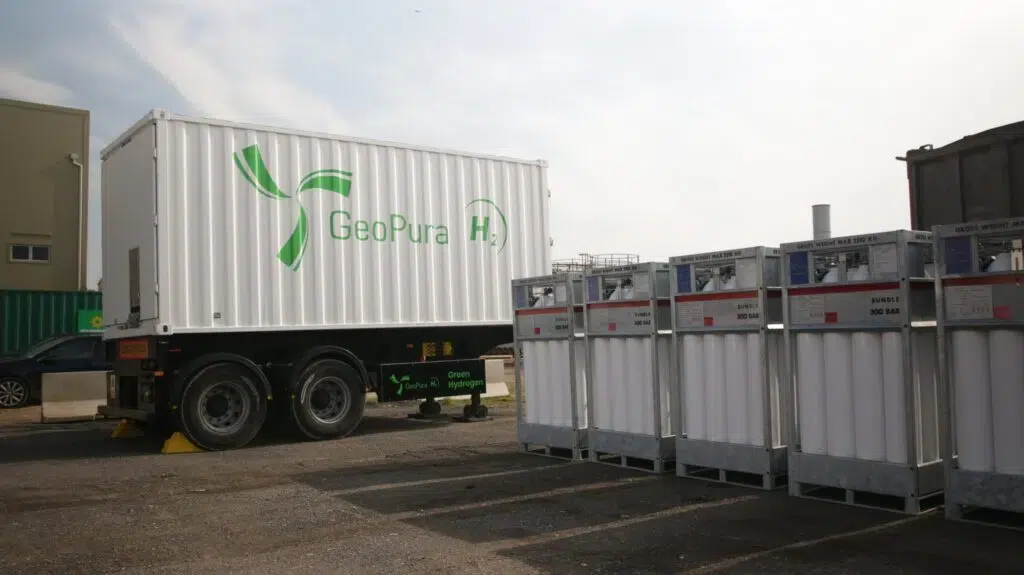
Renewable electricity produces green hydrogen through electrolysis. That hydrogen is stored and transported to where it is needed. Ballard fuel cells then convert it back into electricity at the point of use.
GeoPura and Ballard bring these elements together through hydrogen supply, logistics, and hydrogen-powered generation.
This moves clean energy to locations where electricity infrastructure cannot meet the full requirement.
Powering electrification while the grid expands
Electricity demand is increasing. Grid connection queues remain significant. Data centres, EV charging, industrial electrification and major infrastructure are adding new loads, while building the network infrastructure to serve them takes time.
Grid expansion remains fundamental, but electrification does not need to wait for every new cable, substation or connection to arrive. Hydrogen power is already helping to bridge that gap.
GeoPura and Ballard bring together hydrogen fuel cell technology, hydrogen production, logistics, battery integration, and scalable power generation to provide additional clean power where customers need it.
We are supporting sites affected by grid connection delays, supplementing constrained grid connections, powering electric equipment, and providing clean temporary power to build the energy infrastructure the world needs.
As electrification accelerates, hydrogen is already helping the power infrastructure keep up.
Is your grid connection limiting your power requirements?
Talk to GeoPura about adding clean, reliable, and scalable hydrogen power, either standalone or alongside your grid connection, batteries, and renewable generation.
Share this Post

