





Elsa Recycling has become the first recycling facility in the UK to combine green hydrogen, on-site solar, and existing grid infrastructure in an integrated energy system that eliminates diesel generation from its waste processing operations, creating a commercially viable blueprint for powering energy-intensive industrial sites.
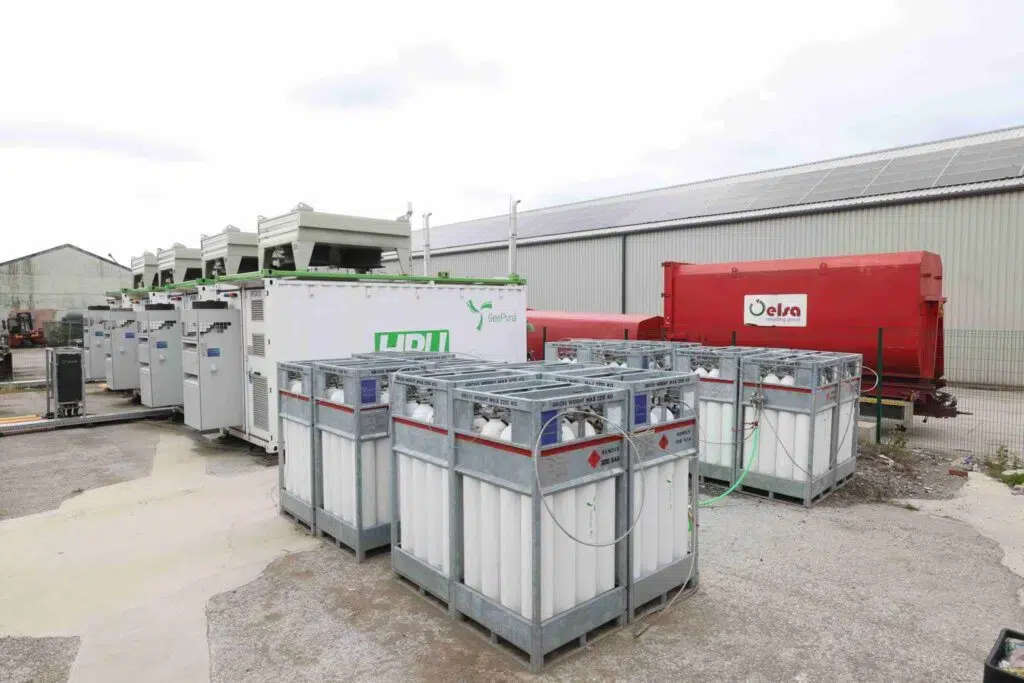
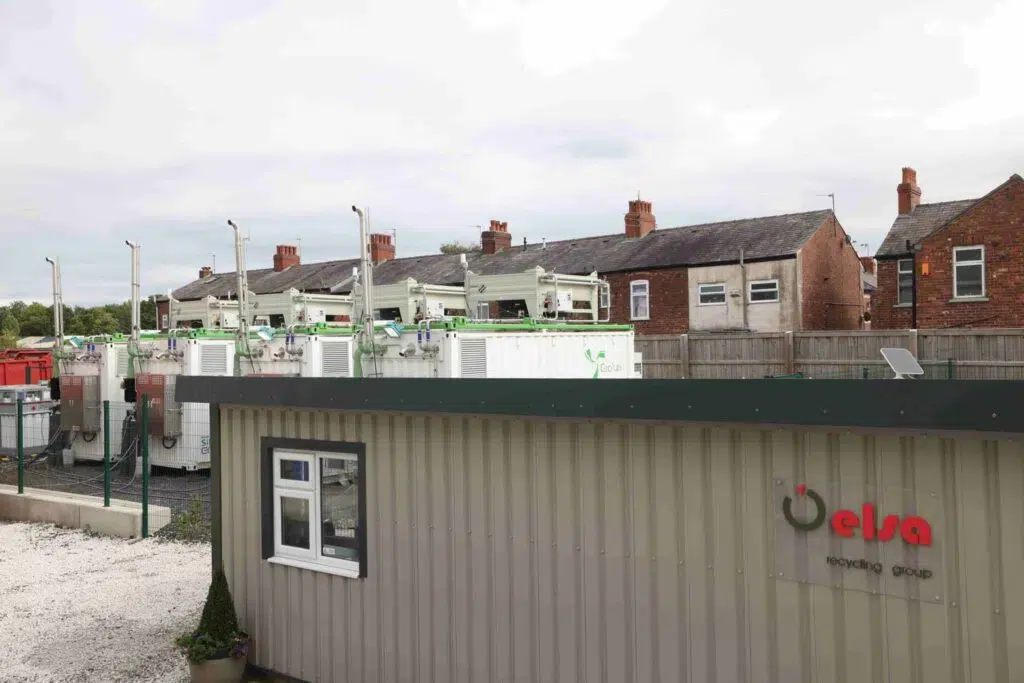
Developed in partnership with GeoPura and renewable energy specialists Geo Green Power, the integrated energy system powers Elsa Recycling’s principal recycling facility in Stockport, Greater Manchester. The project replaces two 400kVA diesel generators with GeoPura’s Hydrogen Power Units, which work alongside the site’s existing grid connection and solar generation to provide reliable, uninterrupted power for critical recycling operations.
Rather than relying on diesel to meet peak electricity demand, the system intelligently balances power across solar, grid and hydrogen, maximising available grid capacity, making full use of renewable electricity generated on site and providing uninterrupted power (UPS) to essential equipment.
The approach creates a commercially viable blueprint that could be replicated across recycling facilities and other energy-intensive industries facing increasing electricity demand, grid constraints and pressure to reduce emissions.
The move will significantly reduce CO₂ emissions on site, alongside local air pollutants such as nitrogen oxides (NOx) and particulate matter, improving both environmental performance and on-site air quality. It also gives Elsa greater control over long-term energy costs through a predictable energy supply, reducing exposure to fluctuations in diesel and other fuel prices.
Elsa Recycling processes and recovers high volumes of paper, cardboard and plastic waste from commercial and industrial customers across the North West.
Gordon Anderson, Head of Development at Elsa Recycling, said: “Like many industrial businesses, our challenge wasn’t simply replacing diesel. It was finding a way to manage growing electricity demand while making the best possible use of our existing grid connection and our investment in solar.
Working with GeoPura and Geo Green Power has allowed us to create an integrated energy system that delivers reliable power exactly when we need it, without compromising production. We believe this is a model that many recycling facilities could adopt to reduce emissions while improving energy resilience and cost certainty.”
Making every kilowatt count
Unlike a traditional generator replacement, the project has been designed as an integrated energy system.
The solar installation, optimised by Geo Green Power, generates renewable electricity throughout the day, while the existing grid connection provides baseline power. During periods of high demand, GeoPura’s Hydrogen Power Units automatically provide additional power, avoiding the need for larger grid connections while ensuring critical recycling equipment continues operating without interruption.
The HPUs intelligently manage power from both the site’s existing grid connection and on-site solar generation, delivering a consistent, reliable electricity supply while automatically responding to fluctuations in demand. They also provide uninterrupted power supply (UPS) capability, protecting essential operations from power interruptions and helping maintain continuous production.
The integrated approach allows Elsa Recycling to:
- maximise the use of on-site solar generation
- make better use of its existing grid connection
- avoid costly network upgrades
- eliminate diesel generation
- provide uninterrupted power to critical equipment
- reduce exposure to fuel price volatility
- secure predictable long-term energy costs through fixed-term hydrogen supply agreements.
As electricity demand continues to increase across UK industry, this hybrid approach demonstrates how businesses can expand operations while reducing emissions and improving energy resilience without waiting years for additional grid capacity.
A blueprint for the recycling sector
The UK recycling sector uses an estimated 2.5 TWh of electricity each year, with much of that demand coming from high-power equipment including balers, shredders and sorting systems.
Many recycling facilities experience significant peaks in electricity demand that exceed available grid capacity, forcing operators to rely on diesel generators or invest in costly network upgrades.
By combining solar generation, existing grid infrastructure and hydrogen power, Elsa Recycling has demonstrated an alternative approach that enables businesses to maximise the infrastructure they already have while reducing emissions and improving operational resilience.
The model offers a practical route to decarbonisation that can be replicated across recycling facilities and other industrial sites with similar power requirements.
Matt Barney, VP of Strategic Partnerships at GeoPura, added: “This project highlights how hydrogen works alongside existing energy infrastructure rather than replacing it.
By combining solar, grid power, and hydrogen, Elsa Recycling has created a smarter way of managing industrial energy demand while eliminating diesel.
As electricity demand continues to grow, many businesses face expensive grid upgrades or continued reliance on fossil fuels. Hybrid systems like this enable organisations to maximise the infrastructure they already have while reducing emissions, improving resilience and providing predictable long-term energy costs.
We believe this model has enormous potential across the recycling sector and many other energy-intensive industries. Full credit to Elsa Recycling for having the ambition to be first. Their willingness to embrace new technology has created a practical, commercially viable model that we believe many other recycling facilities and industrial sites can now follow.”
Alongside GeoPura’s hydrogen power solution, Geo Green Power optimised the site’s renewable energy infrastructure through a series of electrical and system upgrades, including retermination of inverters and isolators, cable re-routing and the installation and setup of online monitoring. Together, the integrated system enables solar, grid, and hydrogen power to operate seamlessly, optimising energy use while delivering reliable industrial-scale electricity with significantly lower emissions.
Supporting the future of industrial power
The UK Hydrogen Strategy identifies waste management and materials recovery as priority sectors for hydrogen adoption because of their decentralised, high-power energy requirements.
Projects like Elsa Recycling demonstrate how hydrogen can do more than replace diesel. Working alongside existing grid infrastructure and renewable generation, hydrogen can help businesses overcome power constraints, improve resilience, stabilise long-term energy costs and accelerate industrial decarbonisation.
The project builds on GeoPura’s experience delivering integrated hydrogen power solutions across construction, manufacturing, live events, broadcasting, utilities and critical infrastructure throughout the UK.
Sources
UK Government, Energy Consumption in the UK (ECUK) 2023
UK Government, UK Hydrogen Strategy (2021)
What is green hydrogen?
Green hydrogen is produced by splitting water into hydrogen and oxygen using electricity from renewable sources such as wind, solar, or biogas. This process, known as electrolysis, produces no carbon emissions.
When used in a fuel cell, hydrogen generates electricity with water as the only by-product, replacing diesel generation without producing CO₂, NOx, or particulate emissions at the point of use.
Share this Post

